


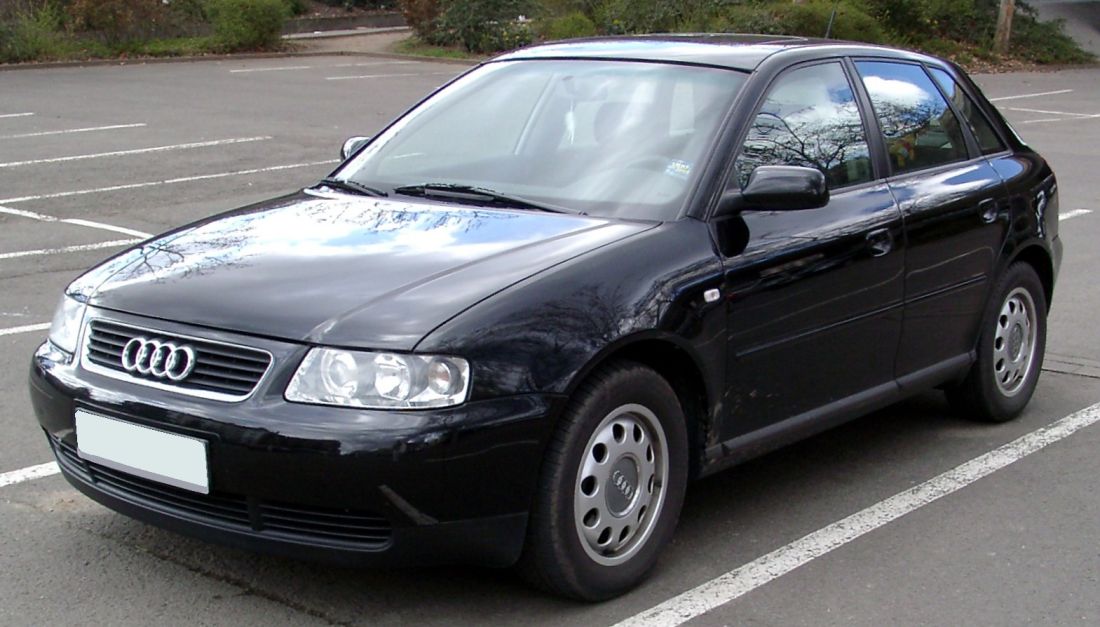
How the Audi A3 Became One of Europe’s Most Successful Premium Hatchbacks
Photo: Audi A3 8L by Rudolf Stricker, CC BY-SA 3.0, via Wikimedia Commons.
Back in 1996, the Audi A3 turned up with a simple but clever pitch: what if a small hatchback could feel like a proper premium car? Not huge. Not flashy. Just smart, tidy, and well put together. Audi says the A3 helped establish the premium compact segment in 1996, and that still matters because, before cars like this became normal, many buyers had a choice that felt a bit awkward. You could have a sensible small hatchback that did the school run, the commute, and the weekly shop. Or you could spend more on a bigger executive car if you wanted a posher badge, a quieter cabin, and nicer materials.
The A3 squeezed those ideas into one neat shape. It looked grown-up without trying too hard. It had the sort of cabin that made people tap the dashboard and say, “Yeah, that feels decent.” And because it was still a hatchback, it didn’t ask you to change your life around it. That’s a big part of why it clicked across Europe. In places like Manchester and Stockport, where one car might need to handle the M60, a tight multi-storey in town, a run to the Trafford Centre, and a wet Sunday trip over to the Peaks, that mix makes sense. Here at Dace Motor Company, we see why cars like the A3 keep getting attention from used car buyers: they feel special, but they’re still easy to live with. Not every car manages that. Some are sensible but dull. Some are smart but needy. The A3 found a middle lane, and it stayed there for years.
It borrowed the right idea, then gave it an Audi feel
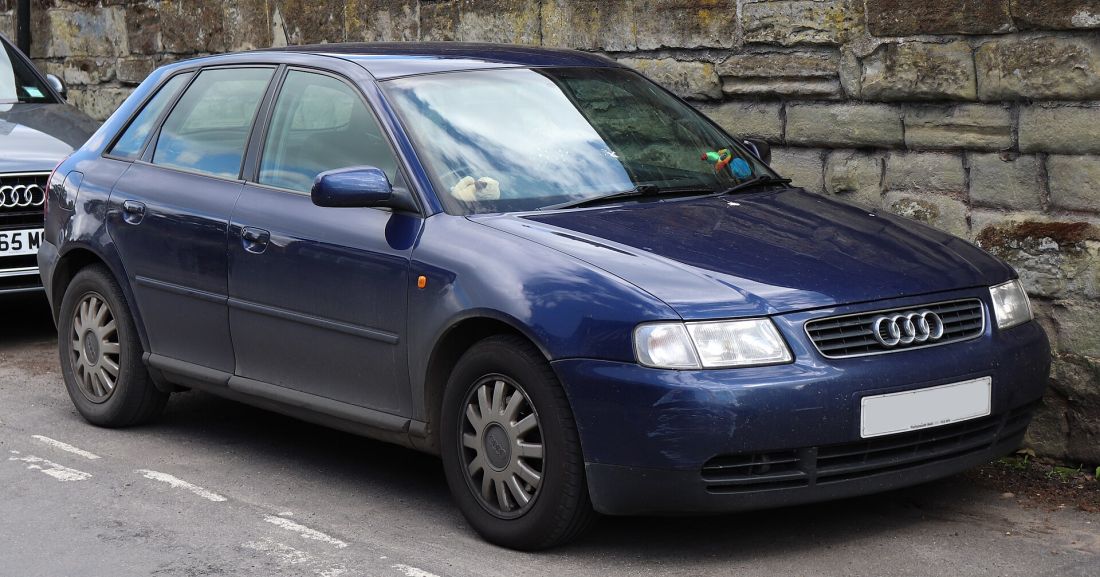
Photo: 2000 Audi A3 TDi SE 1.9 Front by Vauxford, CC BY-SA 4.0, via Wikimedia Commons.
One reason the A3 worked so well was that Audi didn’t try to make a tiny luxury saloon with awkward compromises. It took the hatchback idea seriously. Audi UK’s own history material says the A3 was introduced at the Frankfurt Motor Show in 1996 and was developed using the Golf IV platform, which helps explain why the base idea felt so practical from day one. But the real trick was the way Audi dressed it. The early A3 didn’t scream for attention. It had clean lines, a confident stance, and an interior that felt a step above the average family hatch. You know how some cars feel a bit thin when you shut the door?
The A3 built its name on doing the opposite. A solid thunk, tidy switches, seats that felt made for a long run rather than a five-minute pop to the shops. That stuff sounds small until you live with it every day. Then it becomes the thing you talk about. Buyers across Europe understood that quickly. A compact hatchback doesn’t need to be cheap-feeling just because it’s compact. It can be the car you park outside a flat in Salford, a terrace in Reddish, or a driveway in Bramhall, and it can still feel like something you chose with a bit of pride. And to be honest, that was clever. Audi gave people a badge they wanted, but didn’t force them into a car too large for city streets, narrow lanes, or busy supermarket car parks. That balance helped the A3 become one of those cars people recommended to mates. “Have a look at one,” they’d say. “They’re nice inside.” Simple comments like that sell cars for decades.
The A3 made premium feel normal, not showy
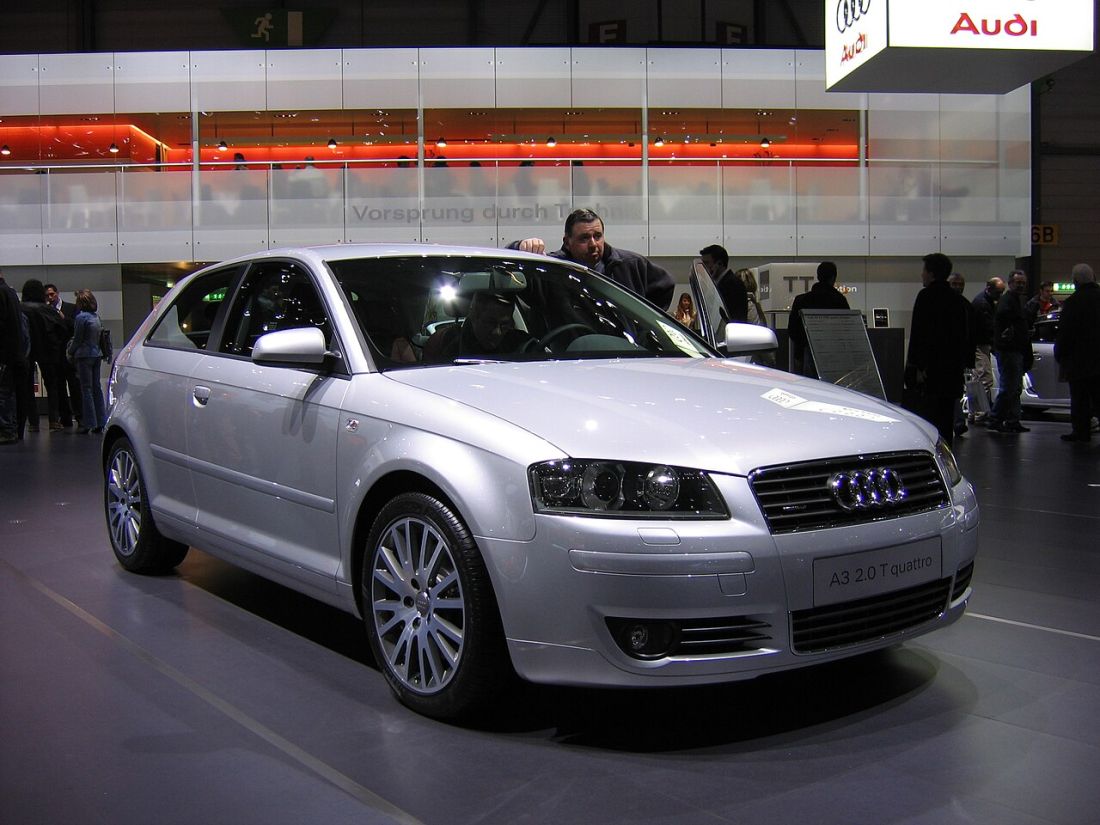
Photo: Audi A3 8P by Norbert Aepli, Switzerland, CC BY 3.0, via Wikimedia Commons.
The word “premium” can sound a bit showroom-y, so let’s make it normal. In an A3, it meant better seats, a calmer cabin, cleaner design, and a sense that the car had been built with care. It didn’t mean you had to act like you were arriving at a red carpet. That’s why the A3 hit such a sweet spot. A Mercedes-Benz A-Class and BMW 1 Series would later fight for similar buyers, but the A3 had already shown how strong the idea could be: take the everyday hatchback and make it feel grown-up. A lot of people don’t want a massive car.
They don’t want to thread a long saloon through Stockport’s tighter streets or worry about parking near the Northern Quarter on a Saturday night. They want something that feels smart when they get in, is easy to drive in traffic, and still has enough room for bags, kids, work gear, gym stuff, or a last-minute run to IKEA. The A3’s success came from meeting those normal needs while adding a bit of polish. That’s the part some rivals missed. If a car is too sporty, it can become tiring. If it’s too soft, it can feel bland. If it’s too flashy, it may age badly. The A3 mostly stayed measured. It wore a good shirt rather than a glitter jacket. Nice, but not loud. Over the years, that helped it age well, which is a huge deal in the used market. A good used A3 can still look sharp years later because the design didn’t chase every passing trend. That’s handy when you want a car that won’t look dated by next summer.
The Sportback made the formula easier to live with
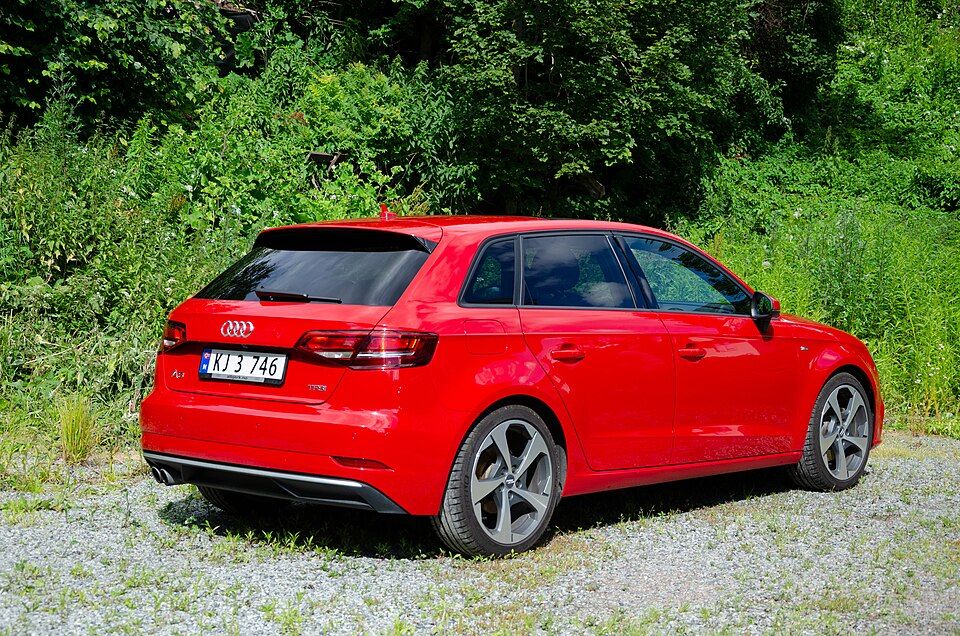
Photo: 2017 Audi A3 SportBack by Peulle, CC BY-SA 4.0, via Wikimedia Commons.
The three-door A3 had the cool look. No doubt. But the five-door Sportback helped the car grow up without losing its appeal. A hatchback has to deal with real life, and real life has back seats, child seats, mates needing a lift, shopping bags, and the odd box that looked much smaller online. The Sportback answer was simple: keep the clean Audi style, add easier rear access, and make the car more useful. That move mattered because it opened the A3 to more buyers. A three-door car can be lovely until you’re folding the front seat forward in the rain while someone climbs into the back with a backpack and a coffee. We’ve all been there.
The Sportback made that less of a faff. And because it kept the A3’s smart image, it didn’t feel like the sensible version nobody wanted. It became the version lots of people did want. Across Europe, that counted. Families liked it. Young professionals liked it. Drivers downsizing from bigger cars liked it too, because they could keep the Audi feel while getting something easier to park and cheaper to run than a larger model. Audi’s later A3 pages still place the Sportback at the centre of the range, and the 2020 fourth-generation A3 was launched as a five-door Sportback with tech taken from larger cars, including updates to the cabin, displays, lighting, and partially electric engines. That shows how central the practical hatchback body became to the A3 story. The Sportback didn’t water the car down. It made the idea stronger.
It kept changing without losing the plot
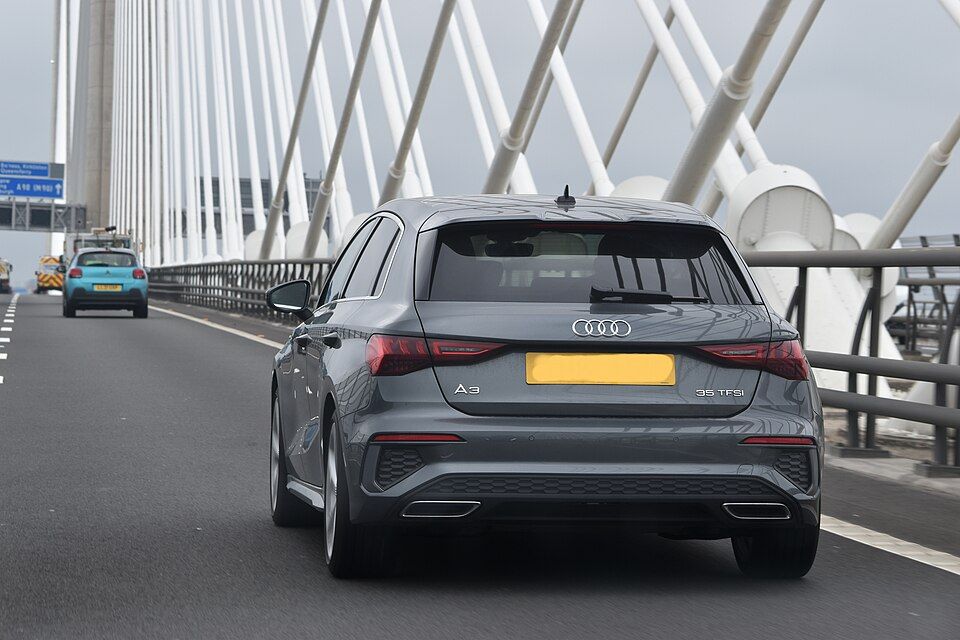
Photo: 2021 Audi A3 Sportback 35 TFSI by Charles from Port Chester, New York, CC BY 2.0, via Wikimedia Commons.
Plenty of cars start well and then lose their way. They get bigger, heavier, fussier, or they forget why people liked them in the first place. The A3 changed a lot over four generations, but it kept hold of the same core idea: small enough for daily life, smart enough to feel special, and polished enough to justify the badge. The fourth generation arrived in 2020 as a five-door Sportback, and Audi described it as a premium compact car with many technologies from larger models. That matters because the A3’s audience changed too. In the 1990s, people were impressed by soft-touch plastics, good seats, and a posh badge on a compact car. By the 2020s, buyers expected much more. They wanted phone connection, sharper screens, driver help systems, lower running costs, and lights that looked modern without being silly. The A3 had to keep up. In 2024, Audi gave the fourth-generation A3 a major update, with a sportier look, more standard kit, new materials, digital features, and selectable daytime running light signatures. That’s a long way from the first A3, but the basic job is familiar. Make a small car feel classy. Make it easy to use. Make it feel a little bit special on a wet Tuesday morning when the traffic near the Mancunian Way is doing its usual stop-start dance. The A3’s success isn’t built on one magic feature. It’s built on lots of small wins repeated again and again. Good size. Good cabin. Good badge. Good manners. You notice those things over months and years, not just during a ten-minute test drive.
Safety and comfort helped it become a family-friendly choice
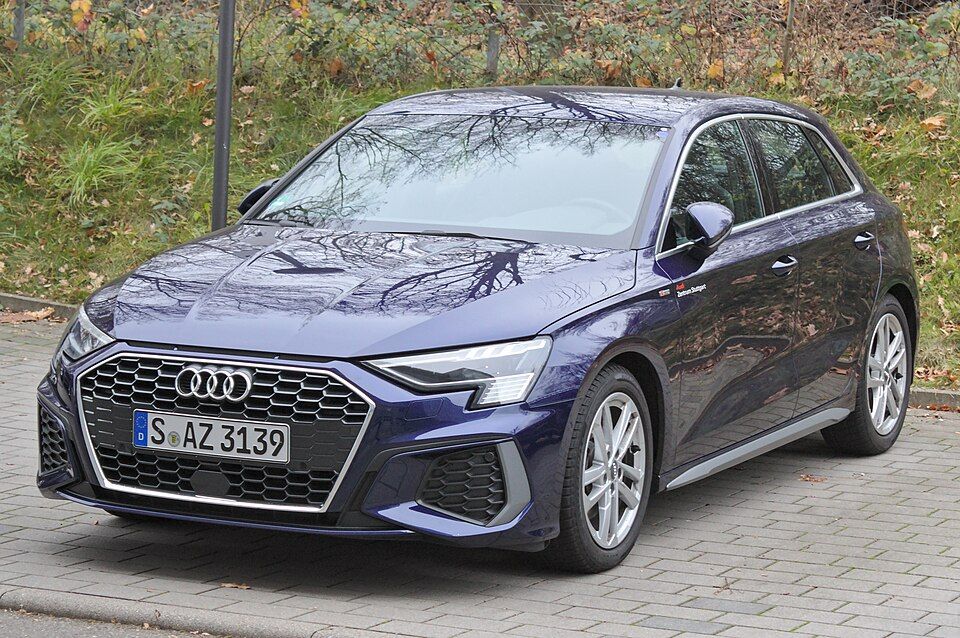
Photo: Audi A3 8Y by Alexander Migl, CC BY-SA 4.0, via Wikimedia Commons.
A premium hatchback can’t live on badge appeal alone. At some point, people ask the proper questions. Is it safe? Is it comfy? Will it cope with a long motorway run? Will the back seats work for real people, not just for a brochure photo? The A3 has stayed popular because it has usually answered those questions well. Euro NCAP’s 2020 assessment of the Audi A3 hatchback reported a stable passenger compartment in the frontal offset test and described good protection in side barrier and side pole tests, with modern safety kit such as automatic braking and lane support covered in the assessment. For everyday buyers, that sort of thing matters more than a fancy line in an advert. You want to know the car has been thought through. You want it to feel calm on the M56 to the airport, steady on a run across the Pennines, and easy enough for daily errands around Stockport. Comfort plays a part too. The A3’s cabin has long been one of its strongest cards, because it gives you that quiet, ordered feeling without needing a huge car. And there’s another thing: trust. Used car buyers want confidence. That’s why checks, service history, and sensible finance options matter so much. Dace Motor Company works with used cars across brands like Audi, BMW, Volkswagen, Mercedes-Benz, Toyota, Ford, Kia, and many others, and the buying process around checks, finance, and warranty can be just as important as picking the right badge. When people choose an A3, they’re rarely chasing drama. They’re usually after a car that feels nice, behaves well, and doesn’t make everyday life harder. Fair enough, really.
Why it still makes sense around Manchester and Stockport
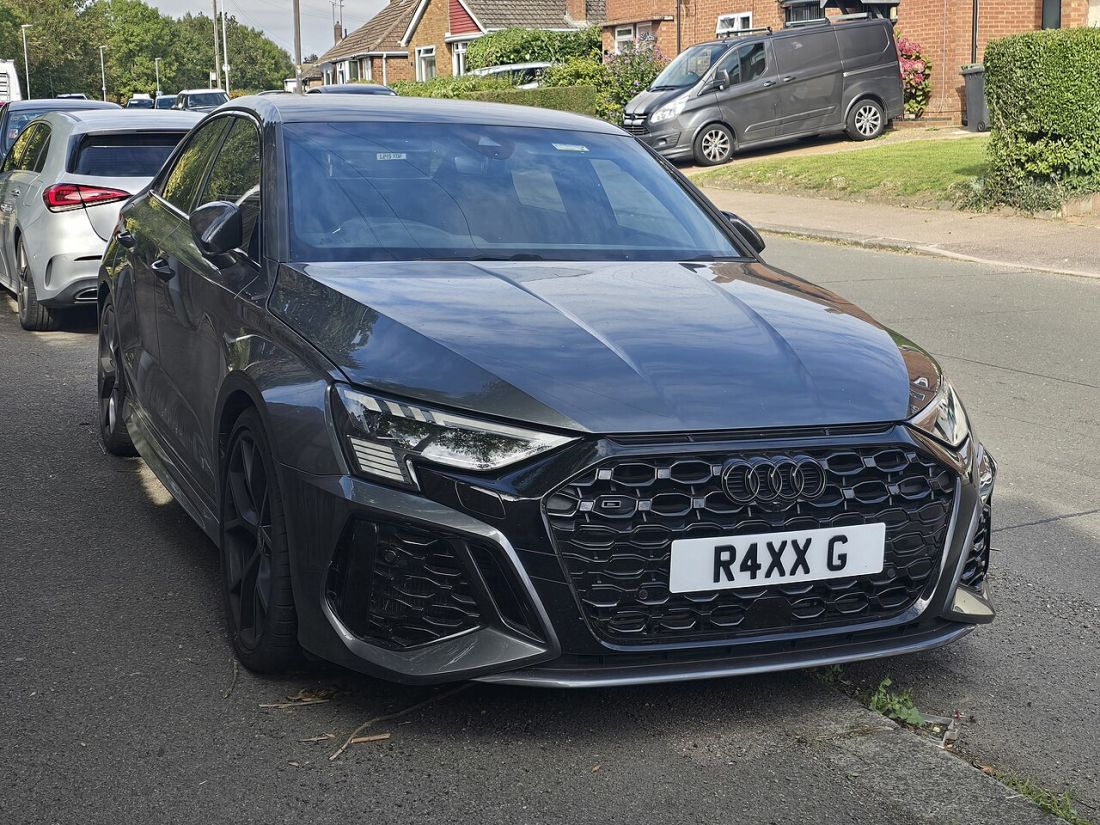
Photo: Audi RS3 by Calreyn88, CC BY-SA 4.0, via Wikimedia Commons.
The A3 fits our local roads rather well. That might sound like a small thing, but it isn’t. Around Greater Manchester, driving can change in five minutes. One moment you’re crawling through town behind a bus. Then you’re on the M60. Then you’re squeezing into a space near a tram stop, or heading out past Marple where the roads feel a bit more open. A huge car can feel like too much. A tiny city car can feel a bit out of its depth on longer trips. The A3 sits between those two worlds nicely. It’s compact, but it doesn’t feel flimsy. It’s smart, but it doesn’t shout. It has enough badge pull for people who like a premium car, but it still works as a normal hatchback for the weekly shop, the commute, and the “can you pick me up?” texts that always arrive at the wrong moment.
That’s why used A3 models keep drawing attention. They suit first-time premium buyers, small families, company car drivers moving into a personal car, and people who just want something tidy without going too big. And because there have been so many versions across the years, buyers can choose the one that fits their budget and taste. Some will want a petrol Sportback with a clean service record. Some will want diesel for longer trips. Some will want newer digital kit. Some just want a well-kept A3 that feels nicer than the average hatch. No fuss. No hassle. Just a car that gets the tone right. The A3’s success in Europe comes down to that same everyday usefulness, scaled across millions of normal lives.
The used Audi A3 buyer’s checklist
If you’re looking at a used A3, don’t get blinded by the badge. A good badge is nice, but condition is king. Start with the basics. Look for a clear service history, because a well-cared-for A3 is much easier to trust than one with missing paperwork and vague stories. Check the tyres, brakes, clutch feel if it’s a manual, gearbox smoothness if it’s automatic, and listen for odd knocks over rough roads. Try the tech too. Screens, phone connection, parking sensors, air conditioning, windows, mirrors, lights, all of it. Small faults can still cost money, and nobody wants a surprise after buying a car. Think about how you’ll use it as well. If you do short local runs around Stockport, a petrol model may suit you better than a diesel. If you spend loads of time on motorways, diesel or a newer hybrid version might make sense, depending on the car and your budget. Rear doors are worth thinking about too. A Sportback is easier if you carry passengers. A three-door may look neat, but it can become annoying fast if the back seats get used all the time. And take your time on the test drive. Drive it at low speed, over bumps, through tighter turns, and at a steadier pace if you can. A nice A3 should feel settled, not nervous. It should feel like the car is helping you, not asking for your patience. That’s the charm of the model when it’s right. It feels smart, calm, and easy to trust.
Why the A3’s success isn’t hard to explain
Some cars become successful because they’re cheap. Some because they’re wild. The Audi A3 became a big name for a quieter reason: it understood what lots of people actually wanted. A car doesn’t have to be huge to feel grown-up. A hatchback doesn’t have to feel basic. A premium badge doesn’t have to mean awkward running or a car that’s a pain to park. The A3 pulled those ideas together and kept refining them. Audi’s own current material still talks about the A3 as the car that established the premium compact class in 1996, and that line sums up the whole thing. It helped create a space where a practical hatchback could also feel aspirational. That’s why it has lasted through changing tastes, tougher rivals, new tech, and shifts in how people buy cars. It’s also why you still see so many around Greater Manchester. They don’t feel out of place outside a coffee spot in Didsbury, on a driveway in Cheadle, or in a queue near Stockport Pyramid. They just fit. And let’s face it, that’s what most of us want from a car. We want something that feels good without making a song and dance about it. Something that handles the boring stuff, but still makes us glance back at it once in a while after parking. The Audi A3 has done that for a long time. That’s not hype. That’s a car finding its lane and staying useful, year after year.