


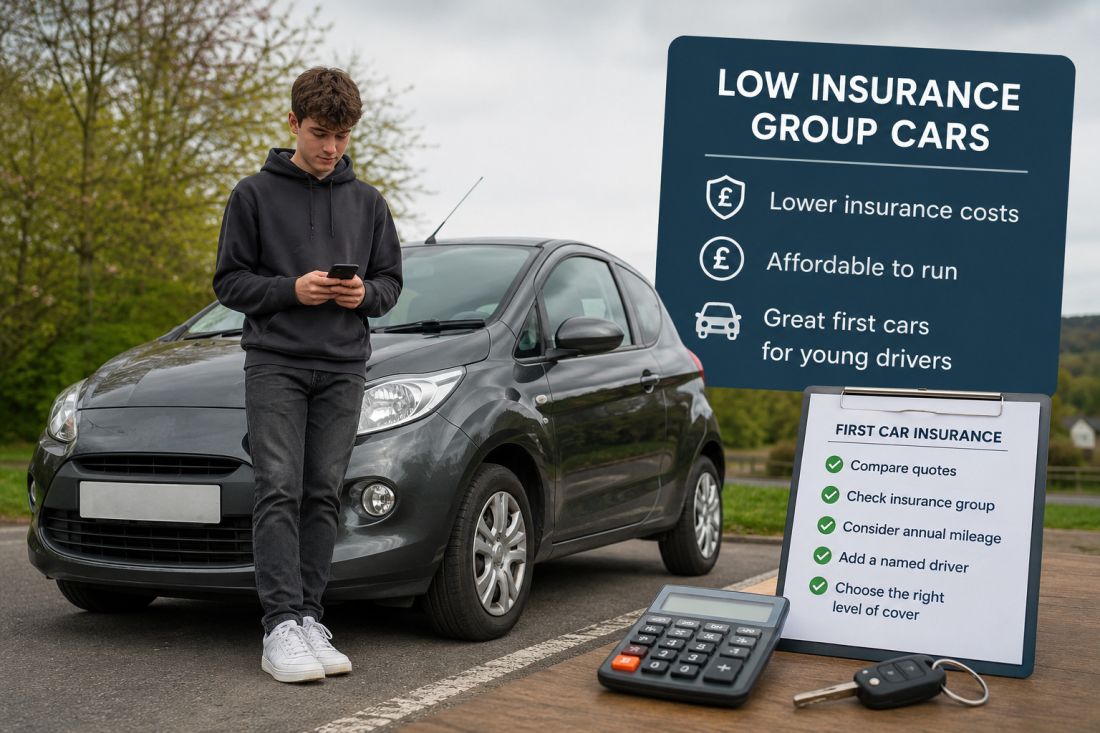
The Used Cars That Are Cheapest to Insure in the UK
There’s a moment many drivers know very well. You’ve found a used car that looks right, the monthly budget feels manageable, and you can already picture it parked outside the house. Then you run an insurance quote and the numbers suddenly spoil the mood. For drivers in Manchester and Stockport, that sting can feel even sharper if the car will be used every day for work, college, school runs or regular trips along the M60. Insurance is not a small extra that can be dealt with later. It’s part of the cost of owning the car from day one. Figures released by the Association of British Insurers on 30 April 2026 put the average price actually paid for private motor cover at £560 during the first three months of 2026. That doesn’t mean your quote will be £560. Some drivers will see much less, while new drivers or people in busy postcodes may see a lot more. What it does show is that insurance deserves attention before you fall in love with a car. A used vehicle that’s sensible to insure can leave money in your pocket for fuel, servicing, tyres and the odd rainy-day repair. And yes, rainy days do seem to turn up quite a bit around Greater Manchester. The good news is that you don’t have to settle for a car that feels miserable. Small hatchbacks have come a long way. Many are easy to park, comfortable enough for everyday trips and cheap enough to keep family finances from creaking. The trick is to shop with your eyes open: check the exact car, check the exact quote, and make your decision using the full yearly cost rather than the windscreen price alone.
How insurers decide which cars look cheaper to cover
Most people start by looking at a car’s insurance group. In the United Kingdom, the familiar group rating scale runs from 1 to 50, with lower numbers giving you a useful clue that the car may return a cheaper quote. Thatcham Research says the rating process draws on 125 vehicle details, and insurers use the score to help assess the risk linked to a car. In everyday language, an insurer is asking a few simple questions. If this car has a bump, how costly could the repair be? Are its parts straightforward to source? Is it quick enough to bring a larger claims risk? Does it have useful safety and security equipment? A modest one-litre hatchback may sit at the cheaper end because it’s less costly to repair and doesn’t tempt drivers into buying speed they don’t need for daily use. But the group number doesn’t decide your final price by itself. Your age, postcode, driving history, mileage, occupation, where you park overnight, who uses the car and the cover you select all matter. That’s why your friend in Heaton Moor can get a different figure from you in Reddish, even if both of you look at the same model. There’s another detail buyers miss all the time: one model name can hide many very different cars. A low equipment, small-engine Volkswagen Polo can sit in a much lower group than a sportier Polo with a larger engine and costly extras. The same goes for a Corsa, Fabia, Picanto or Fiat 500. Don’t ask, “Is a Polo cheap to insure?” Ask, “Is this exact Polo, with this registration, affordable for me to insure?” That small change in thinking can save a very unpleasant surprise after purchase.
The used small cars that are a smart place to start

If you want a used car with a good chance of returning a manageable insurance quote, small petrol hatchbacks are a sensible starting point. Research published in January 2026 named the Hyundai i10, Volkswagen Polo, Skoda Fabia, Kia Picanto and Toyota Aygo X among the cheapest new cars to insure for new drivers, based on specific low-group versions. A separate group 1 guide, updated in February 2026, gives examples that are especially useful in the used market: versions of the Citroen C1, Fiat Panda, Ford Ka Plus, Hyundai i10, Kia Picanto, Nissan Micra, Seat Mii, Skoda Citigo, Skoda Fabia, Vauxhall Corsa, Volkswagen Polo and Volkswagen Fox. That’s a healthy mix. It means you don’t have to hunt for one rare car in one colour with one exact mileage. You can compare several models, inspect condition properly and avoid paying too much just because one advert says “ideal first car.” The phrase is used a lot, you know how it is. The big point is the version. Some small cars were sold with basic engines and simple equipment that can sit near the bottom of the group scale. The same car wearing a sport badge, sitting on larger wheels or using a quicker engine may cost noticeably more to cover. So build a shortlist around everyday cars and keep it flexible. A Citroen C1, Seat Mii or Skoda Citigo can suit tight streets and simple commutes. A Volkswagen Polo, Skoda Fabia or Vauxhall Corsa can give a bit more cabin room for bags, passengers or longer drives. Before choosing, run insurance quotes against the registration number for each actual vehicle you’re considering. The badge gives you the idea. The registration gives you the real answer.
Hyundai i10, Kia Picanto and Toyota Aygo: small cars with big appeal
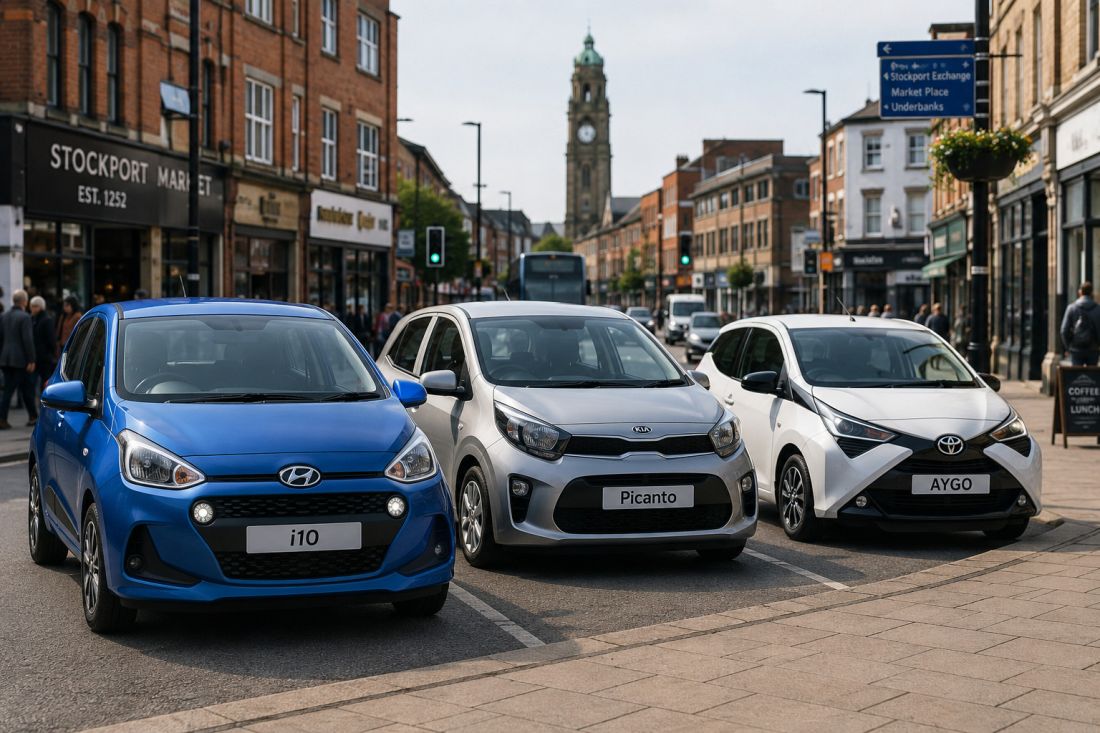
For a driver who spends plenty of time in town, the Hyundai i10 and Kia Picanto make a lot of sense. They’re compact, easy to place in a tight parking bay and less stressful to use on crowded streets than a large car. That’s handy when you’re squeezing into a spot near Stockport town centre or threading through local roads on a busy Saturday. In the January 2026 ranking, the Hyundai i10 with a one-litre automatic gearbox sat in insurance group 1, while the manual version mentioned in the same guide sat in group 2. The Kia Picanto in its basic one-litre version appeared in group 4. Used buyers won’t necessarily be looking at the very same model years or equipment levels, so those numbers are a signpost rather than a promise. Still, they explain why these names come up again and again for drivers watching their costs. The Toyota Aygo, as well as the later Aygo X, deserves a look too. It’s a small car built for daily trips, with the Aygo X in basic one-litre form appearing in group 5 in that 2026 guide. Now, no car is perfect. A tiny city car can feel less relaxed if you’re carrying several adults or making long motorway runs every week. A buyer travelling between Eccles and central Manchester may be delighted with one; a buyer making long trips with family luggage might prefer something larger. That’s the bit online lists can’t decide for you. Sit in the car. Try the boot. Take it on a proper test drive. See whether it feels steady, comfortable and easy to live with. A low insurance group is welcome, but the car still needs to make your Monday morning easier, not turn each trip into a compromise.
Volkswagen Polo, Skoda Fabia and other roomier choices
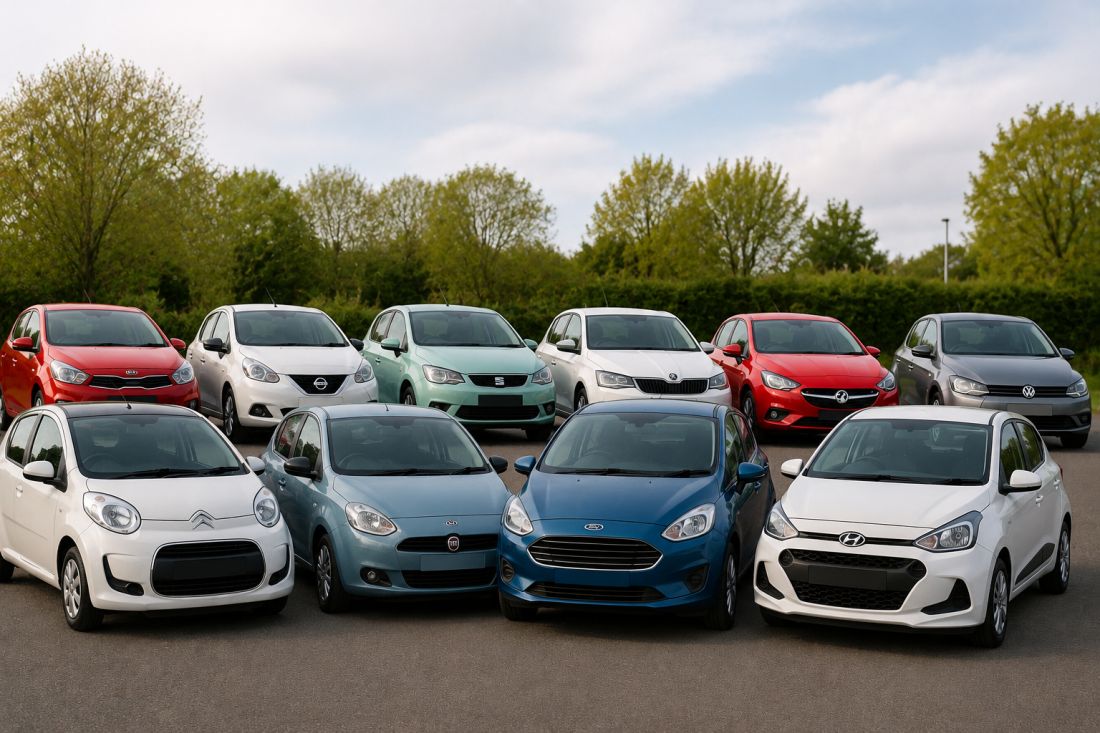
Some drivers want insurance costs kept down but need a little extra room. Maybe the car needs to handle a child seat, work bags, football kit, the weekly food shop or the odd drive out past Marple and into the hills. This is where small hatchbacks such as the Volkswagen Polo and Skoda Fabia can feel like a sweet spot. In the January 2026 insurance-group guide, the entry-level one-litre Volkswagen Polo Life appeared in group 3, while the one-litre Skoda Fabia appeared in group 4. That’s useful news for buyers who don’t want the smallest car on the road. In the used market, earlier versions vary, so it still comes back to checking each car individually. A basic one-litre car with sensible wheels and no sporty add-ons may be the one that fits the budget, while a quicker version can give a less friendly quote. Used choices such as the Vauxhall Corsa, Nissan Micra, Fiat Panda and Ford Ka Plus also deserve a search, since selected versions are listed among group 1 examples. And don’t overlook the Citroen C1, Peugeot 108, Seat Mii, Skoda Citigo and Volkswagen Fox if your needs are simple and parking ease matters most. We’ve all seen the Manchester car park space that looks generous until you start opening the doors. A smaller car can turn that little daily annoyance into a non-event. What matters is balancing three things: insurance, the purchase price and whether the car suits real life. Cheap cover on a car that’s cramped for your family isn’t a great bargain. A slightly larger hatchback that gives you the space you need, while still sitting in a low group, can make far more sense over several years of ownership.
What younger drivers can learn from recent price data

New drivers are usually the people who feel the insurance bill hardest. You might have worked hard to save for the car, only to find that the first year of cover rivals the cost of the vehicle itself. That’s frustrating, and it’s one reason the exact model choice matters. Research released by Go.Compare on 30 April 2026 looked at policies bought by drivers aged under 25. In its data, the Volkswagen Fox had the lowest average yearly price at £529, with the Seat Mii at £533, Fiat 500 at £542, Skoda Citigo at £543 and MINI One at £554. The Peugeot 108, Citroen C1 and Ford Ka also appeared within the ten lowest-priced models in that table. Those figures are averages from purchased policies, not quotes promised to every driver. Someone aged 19 living in one part of Greater Manchester, parking on the street and driving to work each day can see a different quote from someone aged 24 who has several years’ claim-free driving and keeps a car off the road overnight. Still, the results are helpful because they show the sort of used cars worth pricing up first. Don’t get distracted by the flashiest advert. Check the humble little hatchbacks too. A Fox, Mii, Citigo, C1 or Ka may not be the car you had on your bedroom wall, but it can be the car that gets you to work, gives you freedom at weekends and leaves enough money for the rest of life. Also, be completely honest when applying for cover. The main driver must really be the main driver. The address, mileage, parking spot and use of the car must be accurate. A cheaper quote built on incorrect details can leave you exposed when you need help most.
How to shop for a cheap-to-insure used car in Manchester and Stockport
Buying locally gives you a practical chance to compare cars in the sort of conditions you’ll actually use them. Around Manchester and Stockport, a car may face stop-start traffic, tight parking, wet roads, short urban trips and stretches on the motorway, all in the same week. Begin with a budget that includes insurance, fuel, servicing and an emergency pot for tyres or repairs. Then choose three or four small used cars that suit the way you drive. For someone commuting from Reddish or Edgeley, a compact hatchback with a modest engine may be just right. For someone carrying children or making longer runs, a Polo, Fabia or Corsa might feel easier day to day. Once you find actual vehicles for sale, ask for their registration numbers before committing. Put each registration into insurance comparison checks using exactly the same truthful personal details, then compare the yearly cost and what the policy includes. MoneyHelper advises checking more than one comparison website because they don’t all work with the same insurers or assess prices in the same way. It also warns that the cheapest policy may not give the cover you need. Read what happens with windscreen damage, keys, recovery after an accident, courtesy cars and the amount you must pay if you make a claim. This might sound like a lot of checking for a little hatchback, but it can prevent a much bigger headache later. And take a real test drive. A car that looks neat online may have poor visibility for you, a clutch you dislike or a boot that simply isn’t enough. Cheap insurance gets you interested. A sensible car that fits your life is what should make you buy.
Ways to lower your quote without choosing the wrong car
Choosing a low-group used car is a strong start, but there are other honest ways to keep the figure under control. Think carefully about annual mileage. If you genuinely do fewer miles because you work close to home or split travel with trains and buses, say so accurately; don’t pay for a driving pattern you won’t use. Consider where the car will stay overnight, because a driveway or secure parking area may be viewed differently from the street, though you must state where it will really be kept. Look at paying for the year in one go if that’s affordable, as monthly payments can include extra cost. Check the amount you would have to pay after a claim before raising it just to get a cheaper premium. A high voluntary payment looks fine until you need to find that money after a scrape. You can also compare comprehensive cover with other cover levels rather than assuming less cover always costs less. MoneyHelper says third party, fire and theft is not automatically cheaper than comprehensive cover, so it’s smart to test both rather than guessing. For new drivers, a policy that records driving behaviour may appear in search results and can suit some people, but read the rules carefully before agreeing. Night-time use, mileage or driving style rules may matter, depending on the policy. And please don’t modify a car without telling the insurer. New wheels, changes to the body or other alterations may affect cover and price. There’s no magic trick here. It’s sensible car choice, accurate information, a few careful comparisons and a policy you can rely on if a wet roundabout or supermarket trolley puts a dent in your week.
Finding the right used car at Dace Motor Company
At Dace Motor Company, we know buyers aren’t simply choosing a car from a photograph. You’re choosing a cost that has to fit around rent or mortgage payments, family plans, fuel, food and everything else that turns up in an ordinary month. For shoppers near Stockport and Manchester, the cheapest-to-insure used cars are likely to be modest hatchbacks in lower insurance groups, with exact versions checked by registration before purchase. That might lead you to an i10 or Picanto for easy urban use, a Citigo or Mii for a simple first car, or a Polo, Fabia or Corsa when you want a little extra room. Our role is to help you compare used vehicles that fit what you need, rather than push you into a car that looks exciting but gives you a nasty shock at quote time. Dace Motor Company has used car showrooms in Stockport and Eccles, Manchester, so local customers can look at suitable choices in person and decide what feels comfortable. The best next step is refreshingly ordinary: set a real budget, shortlist low-group models, get insurance prices for the exact registrations and test drive the cars that still make sense after the figures come back. Do that and you’re far less likely to regret the decision a month later. A used car should make life easier, whether it’s taking you from Stockport to work, getting the kids to school, carrying the weekly shop or escaping for a Sunday run when the Manchester drizzle finally clears. Find the car that does the job well, with insurance you can afford, and you’ve made a genuinely smart purchase.